
Dubai 2040 Urban Master Plan: A Blueprint for the World's Most Liveable City
An in-depth analysis of the Dubai 2040 Urban Master Plan and what it means for property investors, developers, and residents in the decades ahead.
Michael Okonkwo
Contributor
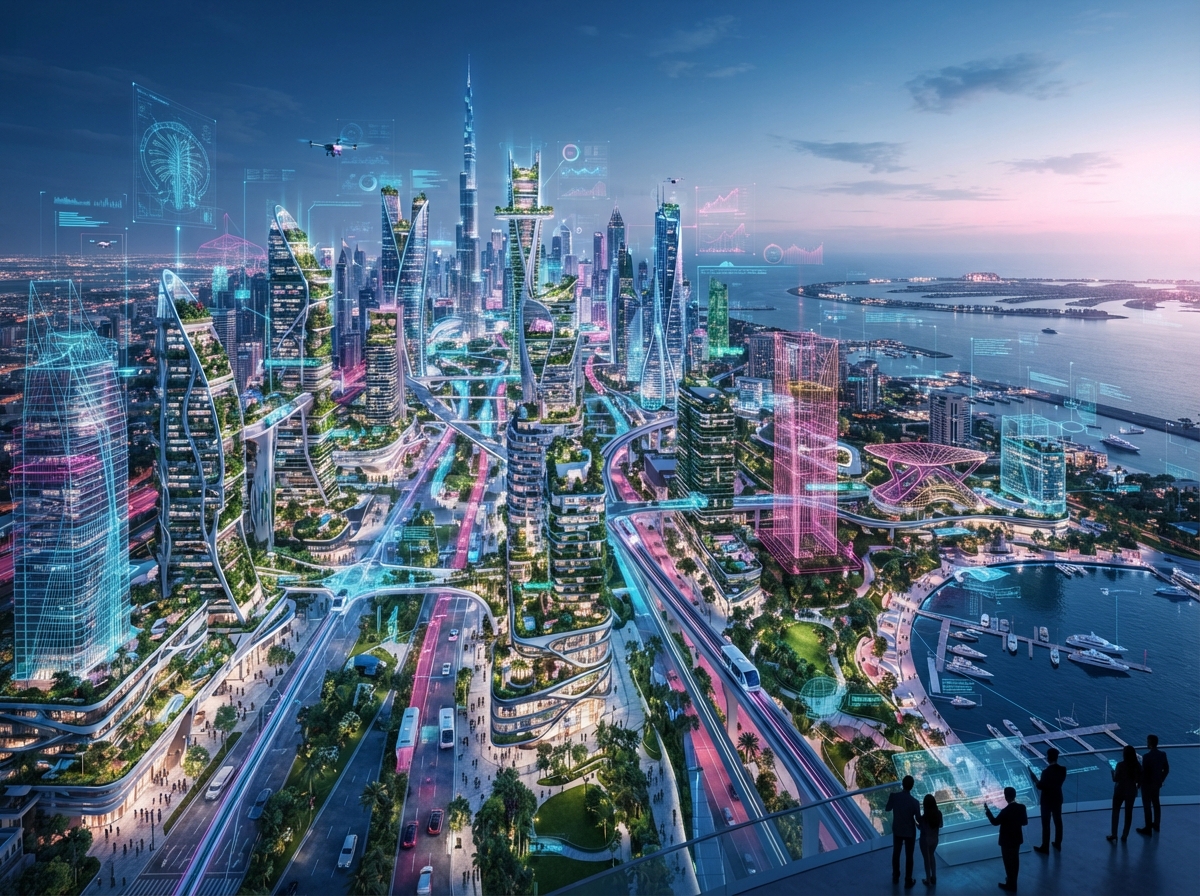
The Dubai 2040 Urban Master Plan is not merely a planning document; it is a comprehensive vision that will reshape every aspect of life in the emirate over the next two decades. For property investors, understanding this plan is not optional—it is essential for identifying where growth will occur, which asset classes will appreciate, and how the urban fabric of Dubai will evolve.
Five Urban Centers, One Vision
The plan organizes Dubai's future growth around five primary urban centers. The first two are well-established: Deira and Bur Dubai, representing the historic heart of the city. The third is Downtown and Business Bay, the commercial and financial core. The fourth is the Dubai Marina and JBR corridor, the premier waterfront lifestyle destination. The fifth and perhaps most significant for future investors is the Expo 2020 Centre, which will be transformed into a new urban hub combining residential, commercial, and innovation districts.
Each center has a distinct character and investment thesis. The historic districts will focus on heritage preservation and cultural tourism, creating opportunities in boutique hospitality and niche retail. Downtown and Business Bay will continue to attract corporate headquarters and financial services, supporting demand for premium office space and luxury residential. The Marina corridor will evolve toward ultra-high-end waterfront living. The Expo Centre represents greenfield opportunity on a massive scale, with plans for over 145,000 new residential units integrated with the Dubai Metro expansion.
Green and Blue Infrastructure
Perhaps the most ambitious element of the plan is the commitment to preserving and expanding natural landscapes and public spaces. The plan calls for 60% of Dubai's total area to be dedicated to nature reserves and natural areas. The green corridor linking the five urban centers will create continuous pedestrian, cycling, and sustainable transport routes, fundamentally altering how residents move through the city.
For property developers, this creates both opportunities and constraints. Properties adjacent to green corridors and public spaces will command significant premiums. The planning restrictions on density in certain areas will constrain supply, potentially driving up values for existing assets. Forward-thinking developers are already acquiring land along the planned corridor routes, anticipating the value creation that will accompany their development.
Demographic and Economic Implications
The plan projects Dubai's population growing from approximately 3.5 million today to 5.8 million by 2040. This growth will be driven by the emirate's continued emergence as a global hub for finance, technology, logistics, and tourism. Housing this expanded population while maintaining the quality of life that attracts talent will require the development of entire new communities, creating sustained demand for residential real estate across price points.
The economic diversification embedded in the plan—with emphasis on knowledge industries, creative sectors, and sustainable technologies—suggests that demand for commercial real estate will shift toward flexible, tech-enabled spaces rather than traditional office towers. Investors should be thinking about the types of properties that will serve the economy of 2040, not the economy of 2020.
Investment Implications
The Dubai 2040 Plan is a secular tailwind for property values, but not all assets will benefit equally. Prime locations within or adjacent to the five urban centers, particularly those with access to green spaces and public transport, are likely to outperform. Properties that align with the plan's sustainability and quality-of-life objectives will be favored by both regulators and consumers. Investors who position their portfolios in alignment with this vision today will be the beneficiaries of two decades of intentional, well-capitalized urban development.
Related Articles
The Rise of Secondary Markets: Why Global Investors Are Looking Beyond Tier-One Cities
Mar 05, 2026
Tokenized Real Estate vs. REITs: Understanding the Key Differences for Modern Investors
May 08, 2026
Regulatory Frameworks for Tokenized Assets: A Global Comparison
Apr 25, 2026

DePIN Explained: How Decentralized Physical Infrastructure Is Reshaping Real-World Assets
Apr 09, 2026
More to Read
// CONTINUE EXPLORING
Tokenized Real Estate vs. REITs: Understanding the Key Differences for Modern Investors
May 08, 2026
Regulatory Frameworks for Tokenized Assets: A Global Comparison
Apr 25, 2026
DePIN Explained: How Decentralized Physical Infrastructure Is Reshaping Real-World Assets
Apr 09, 2026

From Gold to Digital Gold: Why Real Estate Tokens Are the New Store of Value
Mar 22, 2026